Underworld Paradise: Palermo's Genoard Gardens & Climate Adaptation
Unearthing the Climate Inheritance of Palermo's fading 11th-century Arab-Norman Gardens.


Project Overview
"Underworld Paradise" explores the forgotten subterranean legacy of Palermo's Genoard garden, highlighting its contribution to the city's resilience against extreme heat and flash floods.
What is the Genoard?
The Genoard, from the Arabic Jannat al-Arḍ meaning "Paradise on Earth," was a vast royal garden complex built on the outskirts of Palermo during the 11th and 12th centuries under Arab and Norman rule. Spanning miles of the Conca d'Oro plain, it was one of the most sophisticated designed landscapes in medieval Europe.
At its core was a feat of hydraulic engineering: a gravity-fed network of underground aqueducts, cisterns, and cooling channels that carried fresh water from the surrounding mountains across the entire estate. These subterranean systems weren't just functional — they created stable microclimates, channelled cool air upward into gardens and pavilions, and maintained reliable water supplies through Sicily's long dry seasons.
Today, much of the Genoard lies buried beneath Palermo's modern neighbourhoods. Yet fragments survive — in street alignments, unexplained cool spots in summer heat, and intact underground passages still being uncovered by archaeologists. This project asks what those remnants can teach us about designing resilient cities for a hotter, drier future.
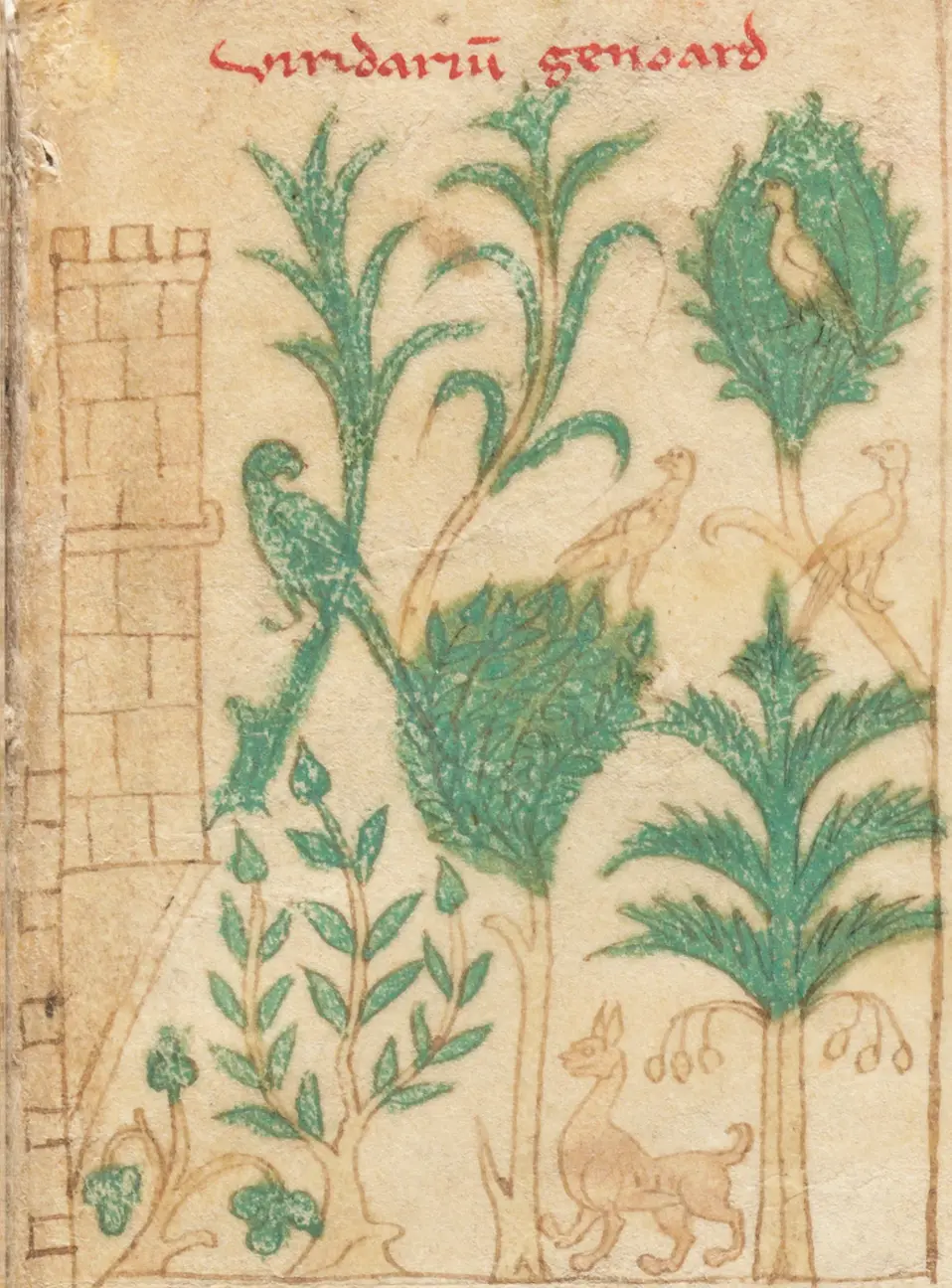
Image Excerpt from: "Liber ad honorem Augusti" des Petrus de Ebulo, Bern, Burgerbibliothek Cod. 120 II, Süditalien 1196, f.98r.
Water Infrastructure
Gravity-Fed Aqueducts
Underground channels carved from limestone, following Persian qanat technology. These sloped conduits move mountain spring water across the city without mechanical pumping — a sophisticated legacy from the Middle East.
Water Cisterns
Underground water reservoirs and surface basins, including gebbie integrated with the qanat system, holding hundreds of thousands of litres. These reservoirs banked water during wet seasons for release during drought.
Passive Cooling
Ventilation and cooling systems such as camere dello scirocco and salsabil. By harnessing water circulation, these systems trigger convective air currents and evaporative cooling capable of mitigating ambient heat.
Integrated Landscapes
A layered system of pleasure gardens, agricultural plots, hunting parks, and water pavilions that combined aesthetic, productive, and climate-regulating functions.
The same landscapes once celebrated for befitting paradise now bear the scars of drought, extreme heat, and relentless wildfire.
Satellite imagery of Sicily during a wildfire. Source: ESA - Landsat-8, 25 July 2023
Rosamarina dam, Caccamo. Source: EVOLUTIO
Extreme heat in Palermo: Outdoor digital thermometer displaying 41°C. Source: QdS
What are Palermo's most water-scarce neighborhoods?
Water Rationing
Water rationing has become a recurring reality for Palermo's residents. Since October 7, 2024, AMAP has enforced scheduled water shutoffs, with some neighborhoods facing total service interruptions for 24-hour periods on a rotating basis. Despite brief suspensions during the extreme heat of July 2025, water scarcity remained a critical threat until February 16, 2026, when the rationing was temporarily suspended following a significant recovery of the reservoir levels.
The map shows areas subject to water rationing, revealing how climate change is fundamentally altering the city's relationship with its most essential resource. This crisis echoes questions about how historical water systems might inform contemporary solutions for resilient resource management.
Water rationing plan for Palermo, implemented by AMAP from October 2024 to February 2026 in response to severe water scarcity.
One Third of the City Impacted
More than 225,000 residents, or 36 percent of the city's population, live in areas affected by weekly water rationing. Residents plan meals, showers, and laundry around water rationing schedules. Many families stockpile water in rooftop tanks or portable containers to bridge the gaps.
The crisis has roots in both infrastructure and climate. Meanwhile, the island's main reservoirs are fed by rainfall that has declined significantly over the past two decades. The 2024 drought left some reservoirs below 20% capacity — a record low.
Number of people affected by water rationing across AMAP water distribution areas. The map uses Census data from 2021.
Uneven Distribution of Burdens
The burdens of water rationing were not distributed evenly, as public housing residents bore a disproportionate share of the impact. 45 percent of the city's 324,000 total housing units were impacted. Meanwhile, nearly 81 percent of the 8,600 public housing units were affected. In other words, public housing units are almost twice as likely to be affected by water rationing compared to the average Palermo residence. This disparity is especially stark at the city's largest housing complexes. Roughly half of all public housing units are concentrated within three census tracts that were subject to water rationing.
Population density of AMAP water distribution areas overlaid with the number of public housing units. The map uses Census data from 2021.
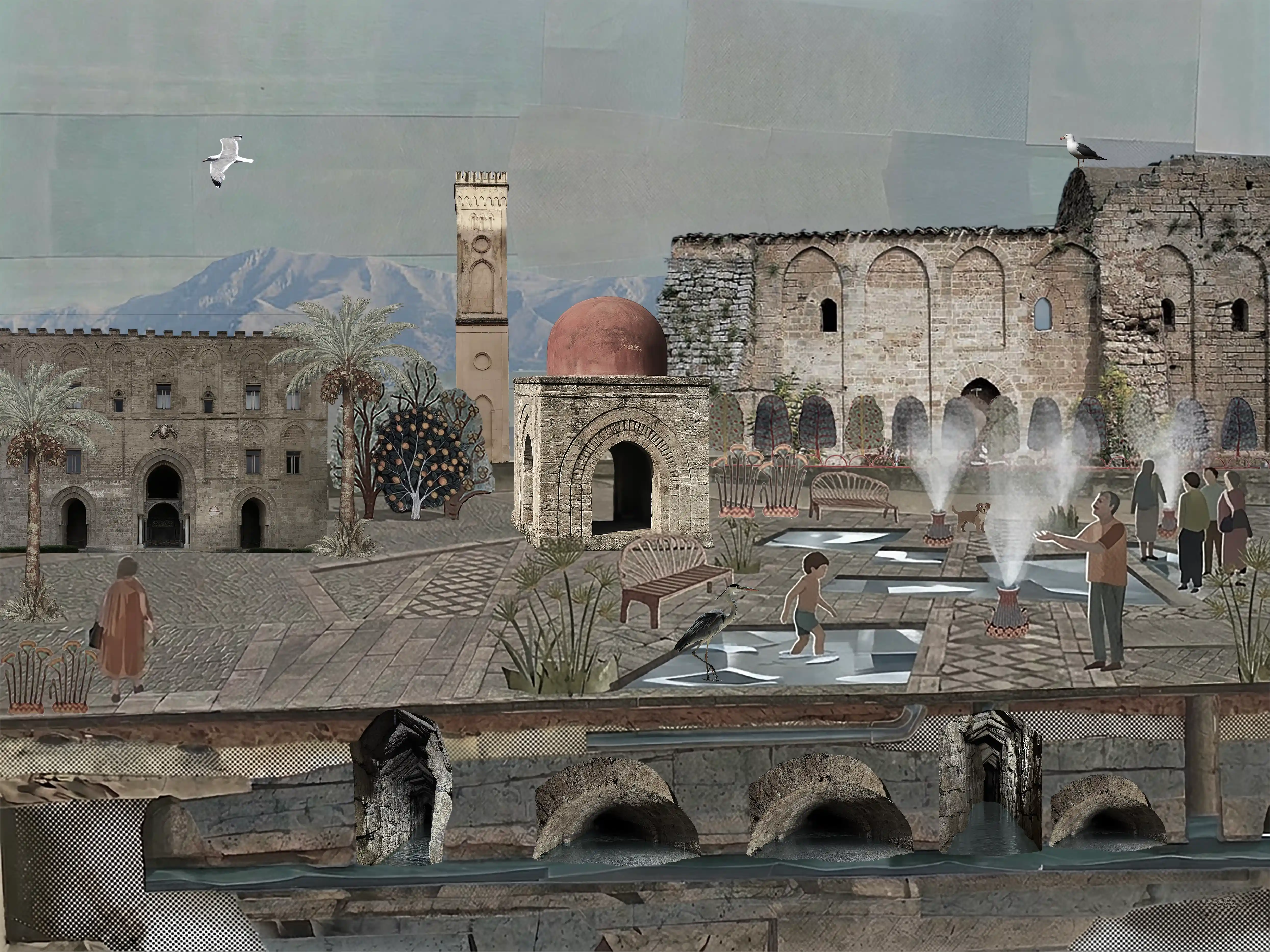
How can the surviving elements of the Genoard inform strategies for climate adaptation and urban resilience in Palermo?
Underground Elements
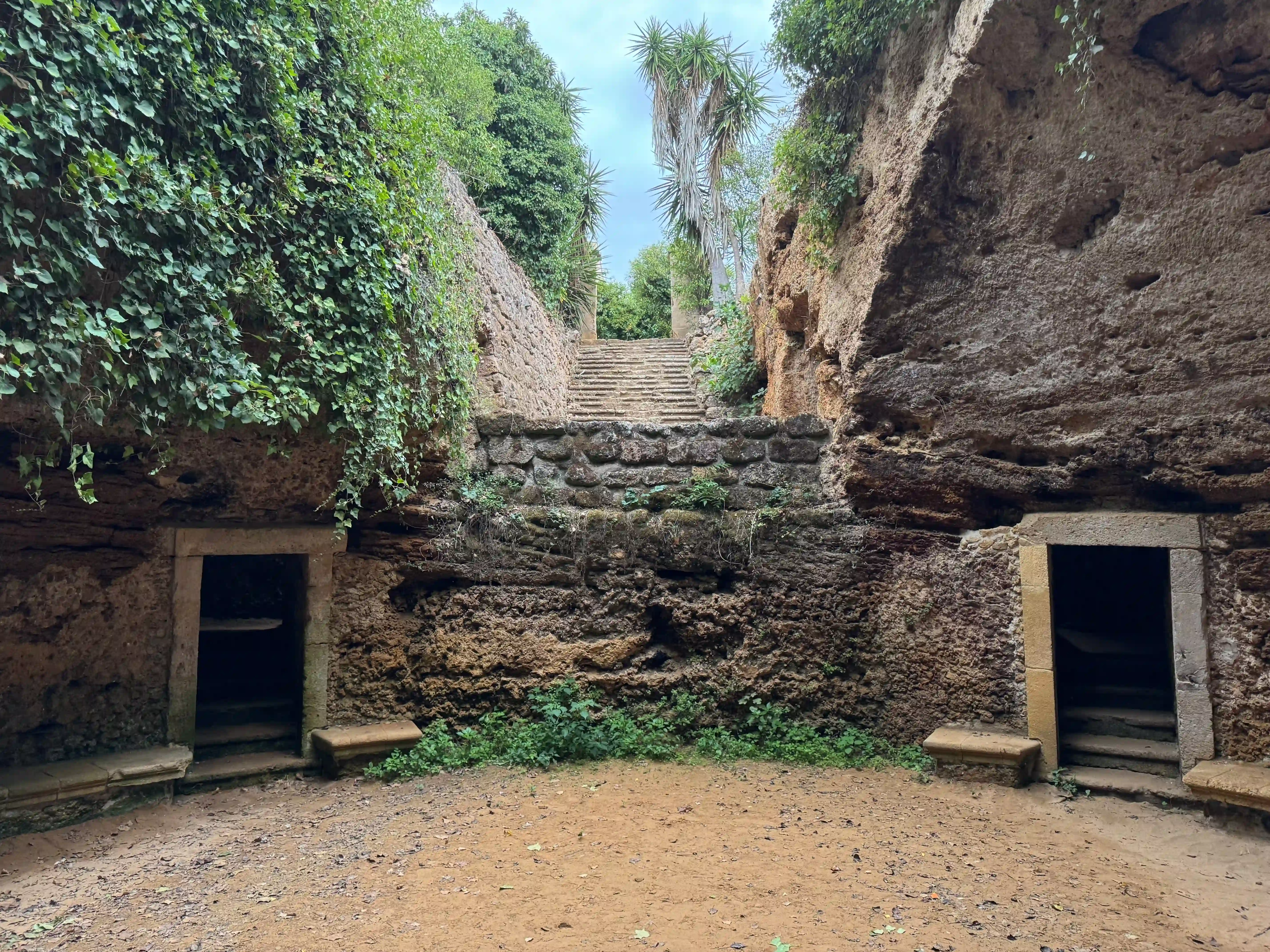
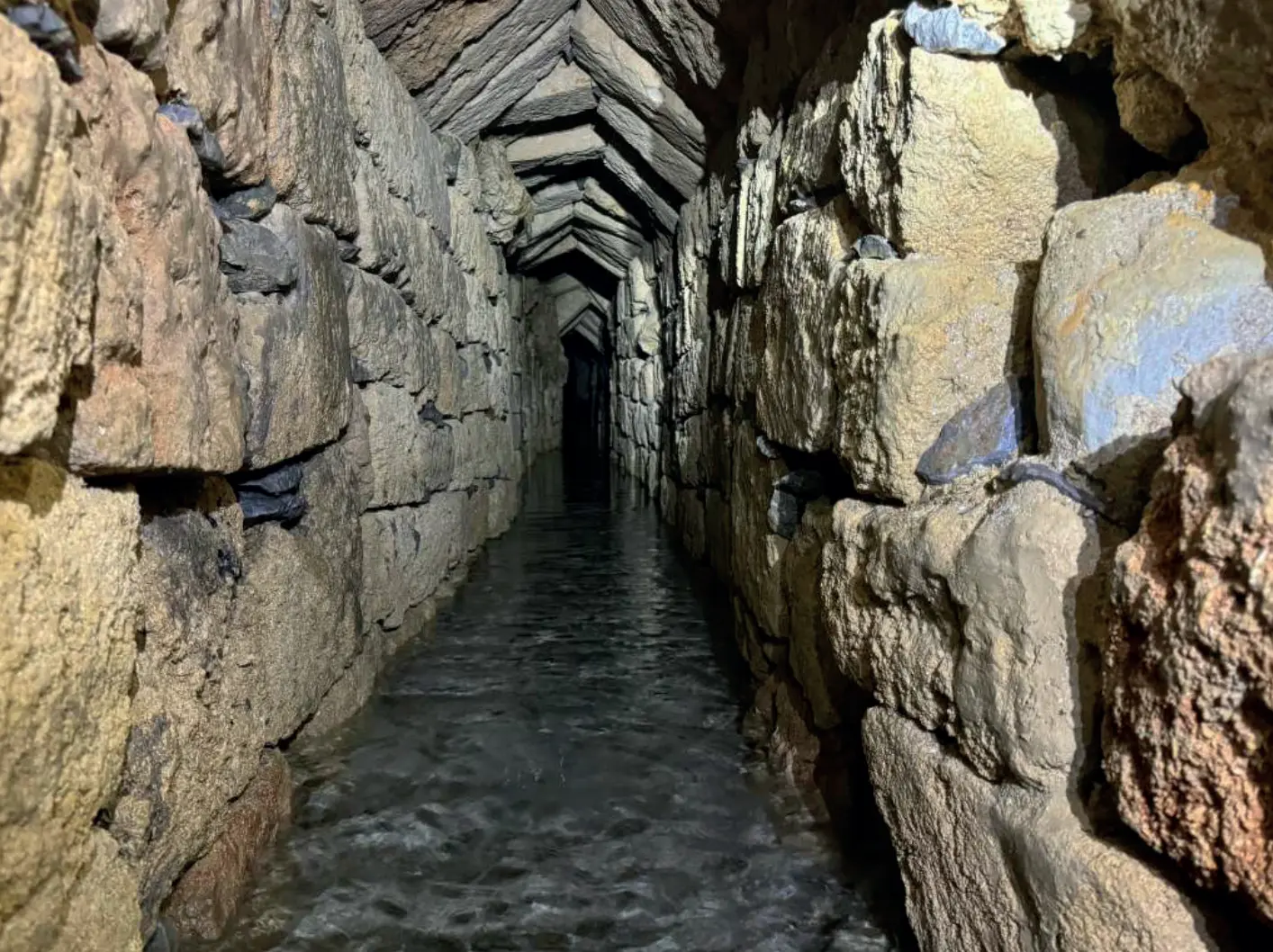
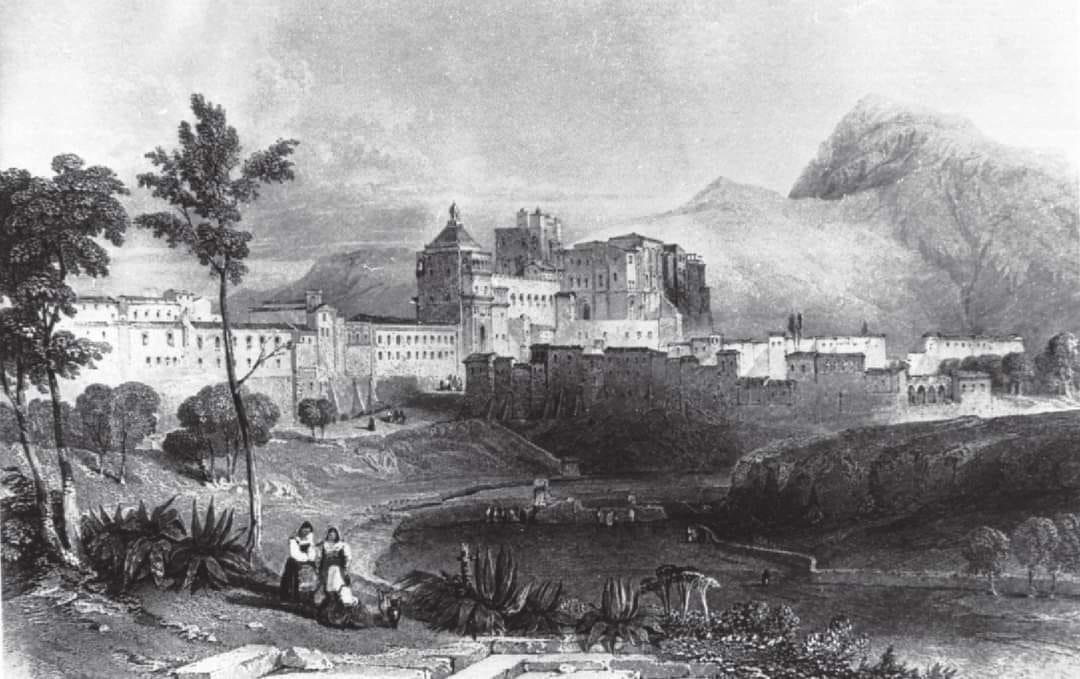
The Subterranean Network
Beneath Palermo's streets lies an elaborate system of aqueducts, water chambers, and cooling cisterns built during the Arab-Norman period. These underground passages carried spring water from the mountains through the city, feeding fountains, baths, and the elaborate gardens of the Genoard.
The aqueducts maintained remarkably stable temperatures year-round, creating naturally cool spaces that moderated the extreme Sicilian heat. Many of these structures remain intact today, buried under modern development, offering potential insights for contemporary passive cooling strategies.
Recent archaeological surveys have documented over 15 kilometers of underground passages, revealing a sophisticated understanding of hydraulic engineering and climate-responsive design that predates modern mechanical systems by nearly a millennium.
Architectural Elements
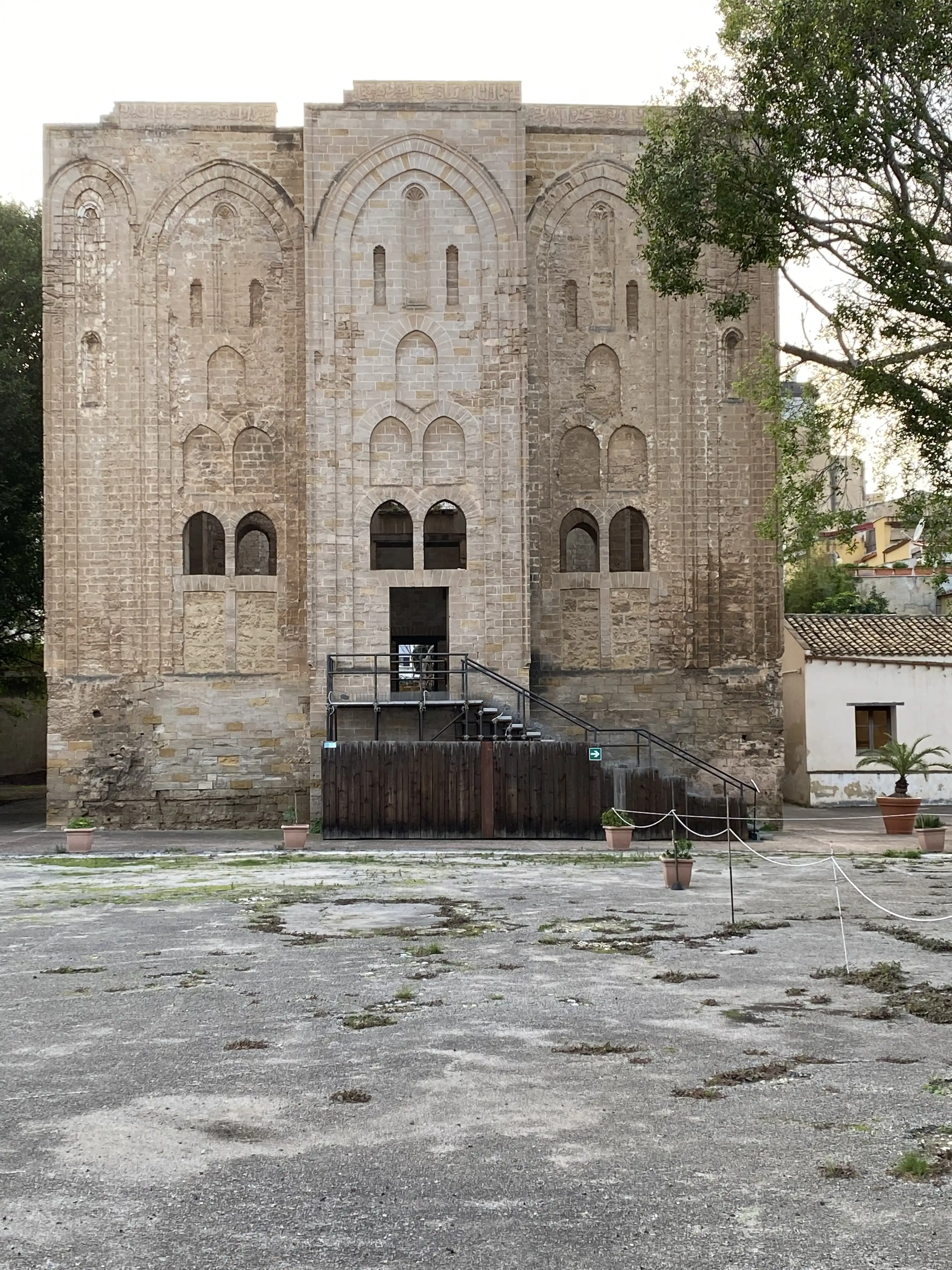
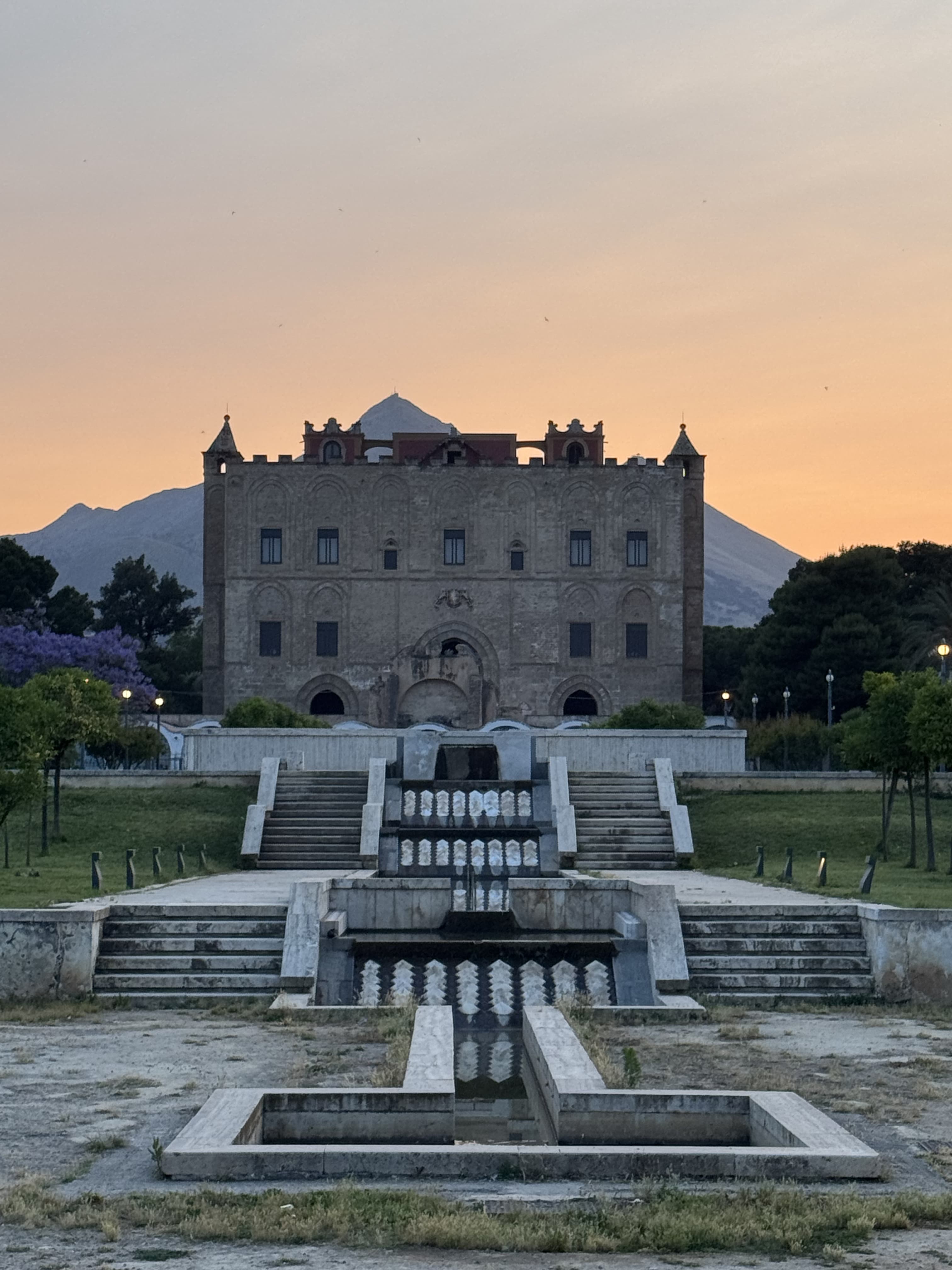
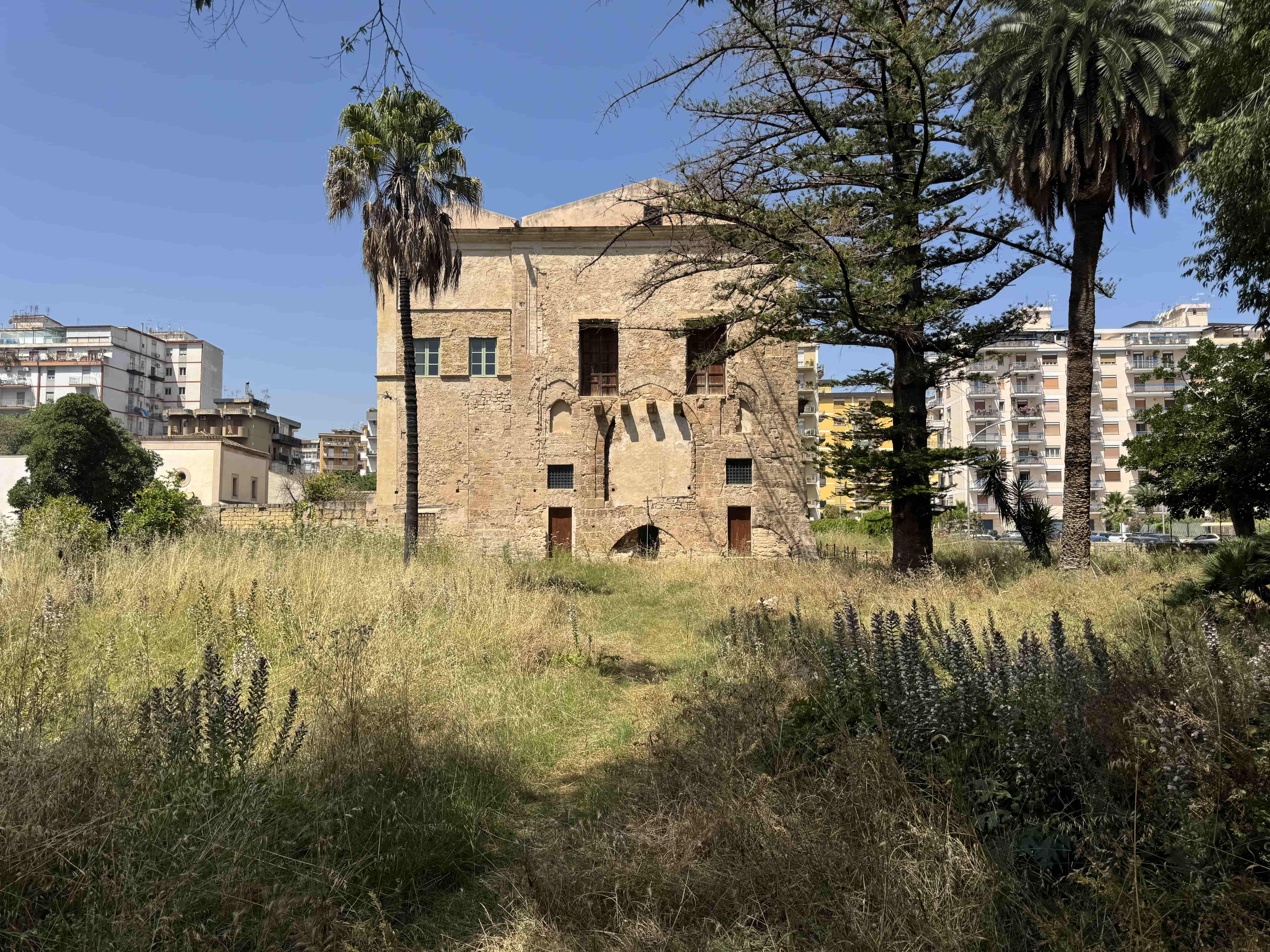
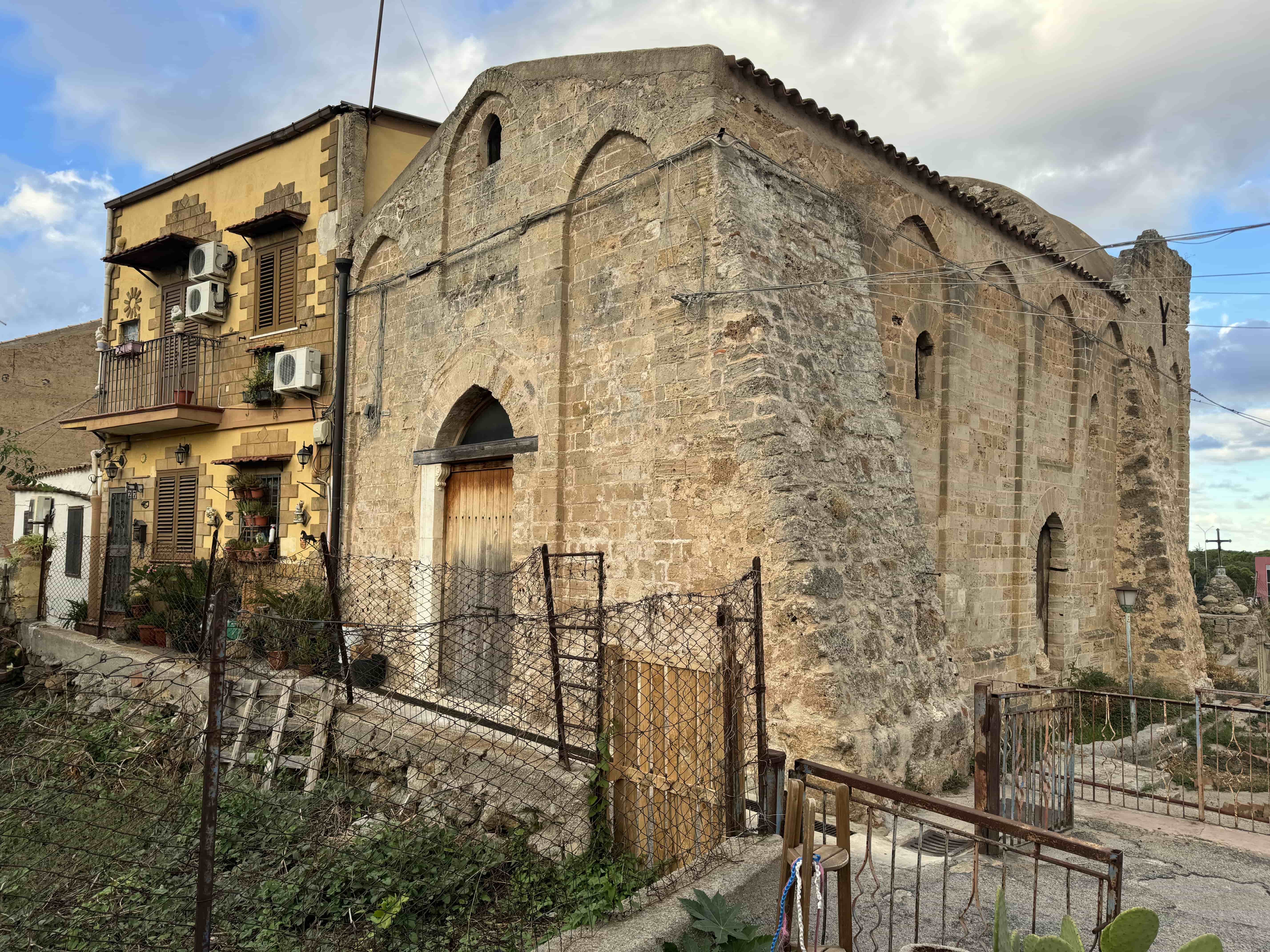
Garden Typologies
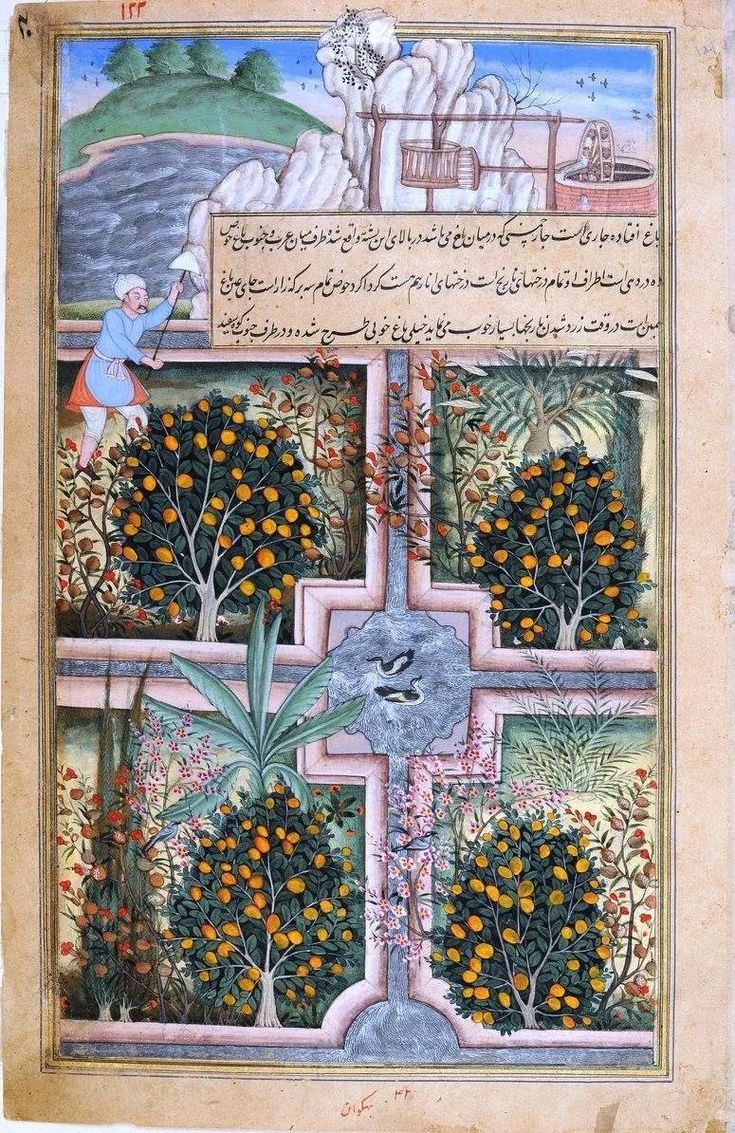
Pleasure Gardens (Bustān): These were the most elaborate spaces, featuring geometric water channels, reflection pools, and dense vegetation designed for royal entertainment and respite from the heat. They combined aesthetic beauty with functional cooling through strategic placement of water features and shade structures.
Agricultural Gardens (Jannah): Productive gardens that combined citrus groves, vegetable plots, and ornamental plantings. These spaces demonstrated how beauty and utility could coexist, providing food security while maintaining the cooling microclimate essential for both crops and human comfort.
Water Pavilions (Sollazzi): Small palatial structures built around natural springs and artificial pools. These pavilions served as transition points between the underground water systems and surface gardens, creating spectacular displays where water emerged from darkness into carefully choreographed cascades and channels.
Hunting Parks (Parchi): Larger enclosed landscapes that combined managed wilderness with cultivated areas. These parks featured diverse ecosystems that provided habitat for wildlife while serving as extensive green infrastructure that regulated temperature and managed stormwater across broad areas.
Interactive Map Coming Soon...
The Arab-Norman Paradise
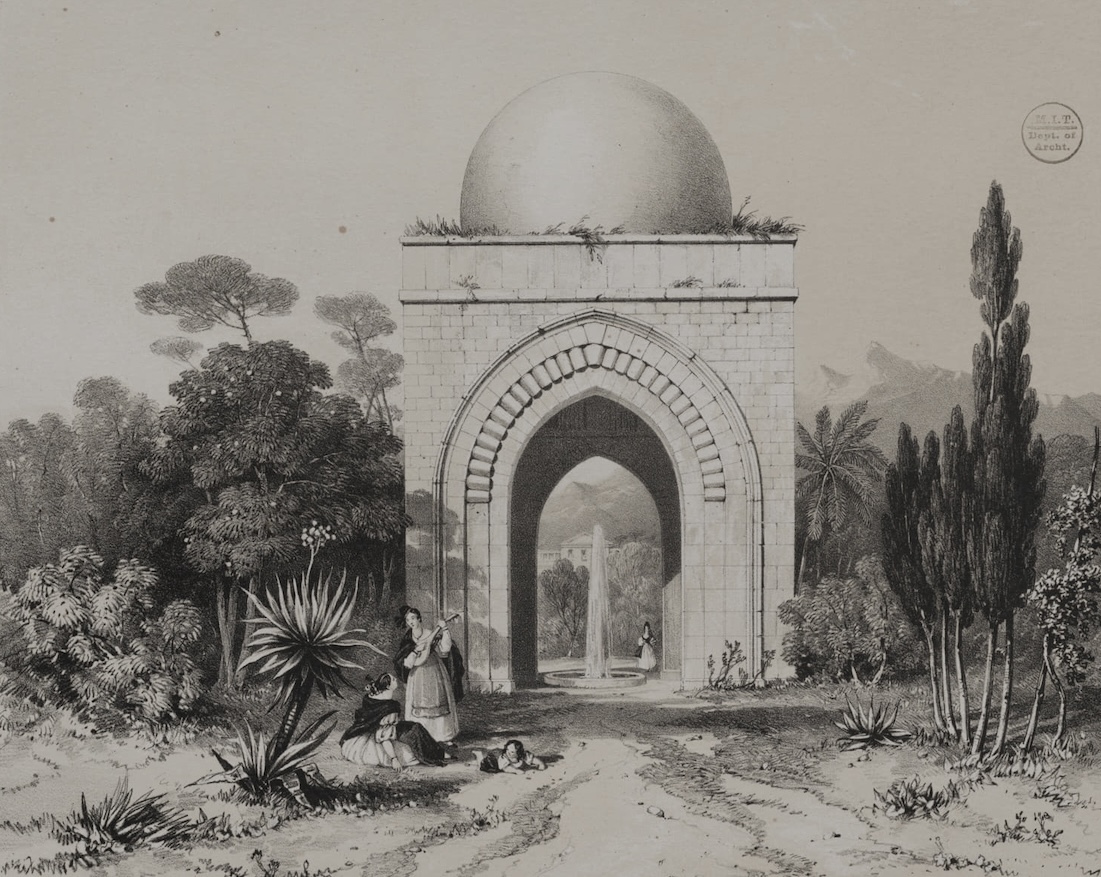
In the 11th and 12th centuries, Palermo's Genoard represented the pinnacle of medieval landscape architecture. Arab emirs and Norman kings transformed this plain outside the city walls into what contemporary chroniclers called an "Earthly Paradise" - a vast complex of pleasure gardens, hunting parks, and agricultural estates that stretched for miles.
The name "Genoard" itself derives from the Arabic "Jannat al-Arḍ" (Paradise on Earth), reflecting the extraordinary ambition behind its creation. This was not merely a garden, but a complete reimagining of how humans could shape landscape to create comfort, beauty, and abundance in Sicily's challenging Mediterranean climate.
Historical accounts describe an intricate water system fed by mountain springs, channeled through underground aqueducts that distributed fresh water throughout the gardens. The sound of flowing water was ever-present, both a sensory delight and a practical tool for cooling the air through evaporation. Fountains, pools, and channels transformed the hot Sicilian plain into a temperate oasis.
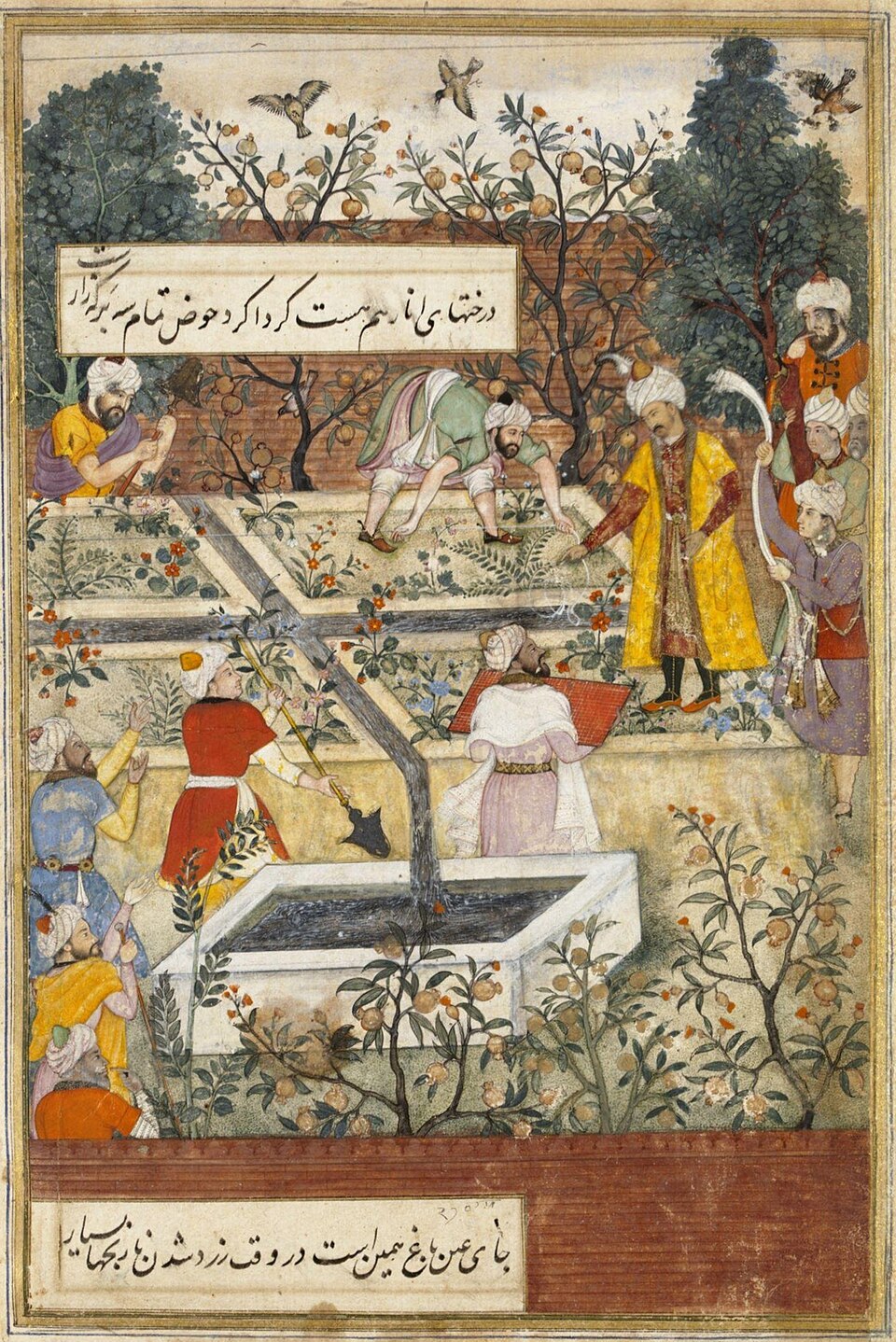
//// CAPTION PLACEHOLDER ////
Engineering an Oasis
The Genoard's hydraulic system represented cutting-edge engineering for its time. Arab and Norman engineers leveraged the natural gradient from Palermo's surrounding mountains to create a gravity-fed water network that required no mechanical pumping. Underground channels, some as tall as a person, carried spring water across miles with minimal loss.
These aqueducts did more than transport water - they created entire microclimates beneath the city. The underground passages maintained cool, stable temperatures year-round, and strategically placed openings allowed cool air to rise into gardens and pavilions above. In summer, these spaces provided refuge from temperatures that regularly exceeded 35°C (95°F).
The system included sophisticated cisterns that stored water during abundant seasons and released it gradually during dry periods, ensuring year-round irrigation. Some of these storage chambers could hold hundreds of thousands of liters, carved directly into limestone bedrock and lined with waterproof plaster that remains intact nearly a millennium later.
//// CAPTION PLACEHOLDER ////
Decline and Dispersal
The Genoard's decline began in the 13th century with political upheaval and economic shifts that made maintaining such elaborate gardens increasingly difficult. As Palermo's power dynamics changed, the royal commitment to these spaces waned. Gardens were subdivided, sold off, and gradually converted to other uses.
By the Renaissance, much of the original Genoard had been transformed into private estates, agricultural plots, and eventually urban development. The 19th and 20th centuries brought rapid industrialization and population growth. Palermo expanded outward, building directly over the ancient garden lands. Underground aqueducts were severed by foundation work, pavilions demolished for apartment blocks, and water channels paved over for streets.
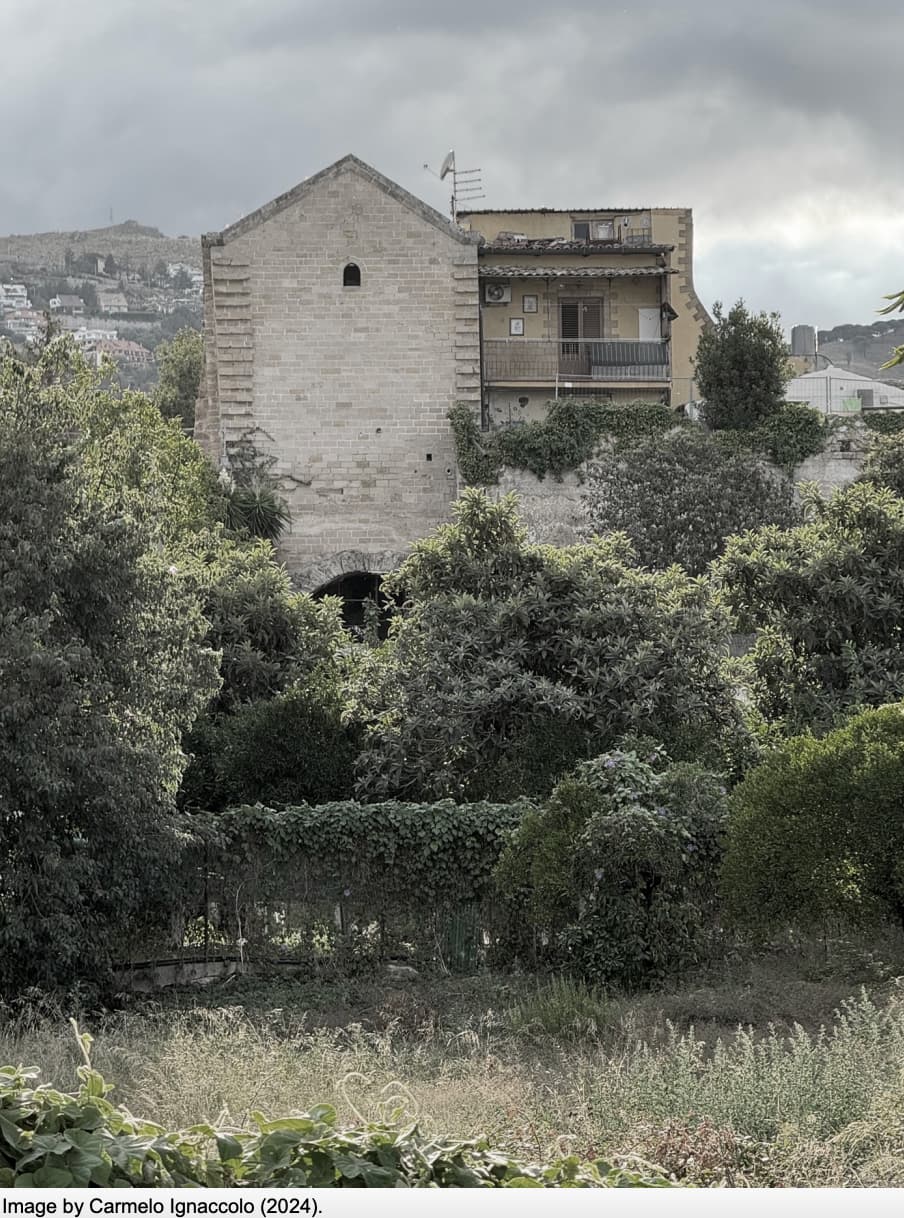
Yet remarkably, fragments persist. Archaeological surveys continue to discover intact sections of the underground system. Some neighborhoods still experience mysterious cool spots in summer - likely due to air flow from buried chambers below. A few surface traces remain: unusual property boundaries that follow ancient water channels, street names that reference vanished gardens, and scattered architectural fragments built into later structures. These remnants tell a story of adaptation, loss, and unexpected resilience.
//// CAPTION PLACEHOLDER ////

This 1955 aerial photograph captures Palermo during a pivotal moment before rapid urbanization obscured much of the Genoard's remaining traces. By examining this map, we can identify the locations of buried infrastructure and understand how these historical systems might still influence the city's relationship with water and climate today.